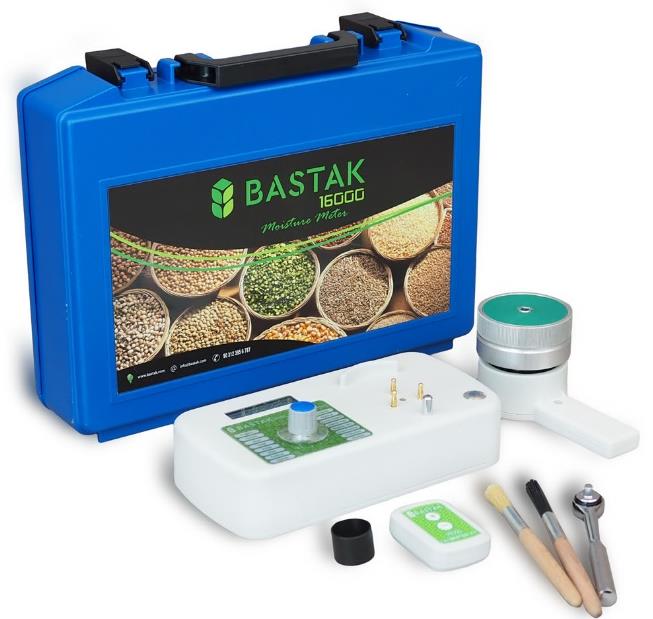
Moisture Meter for Grains. The products for which moisture analyse is made: Wheat, rye, barley, oat, rape, corn, beans, durum wheat, sunflower, pea, red wheat, fodder, wheat flour, soybean
The Portable Grain Moisture Tester has a digital screen. The product can be selected with the rotary switch.
The Moisture Meter for Agriculture measures moisture in 2-5 sec
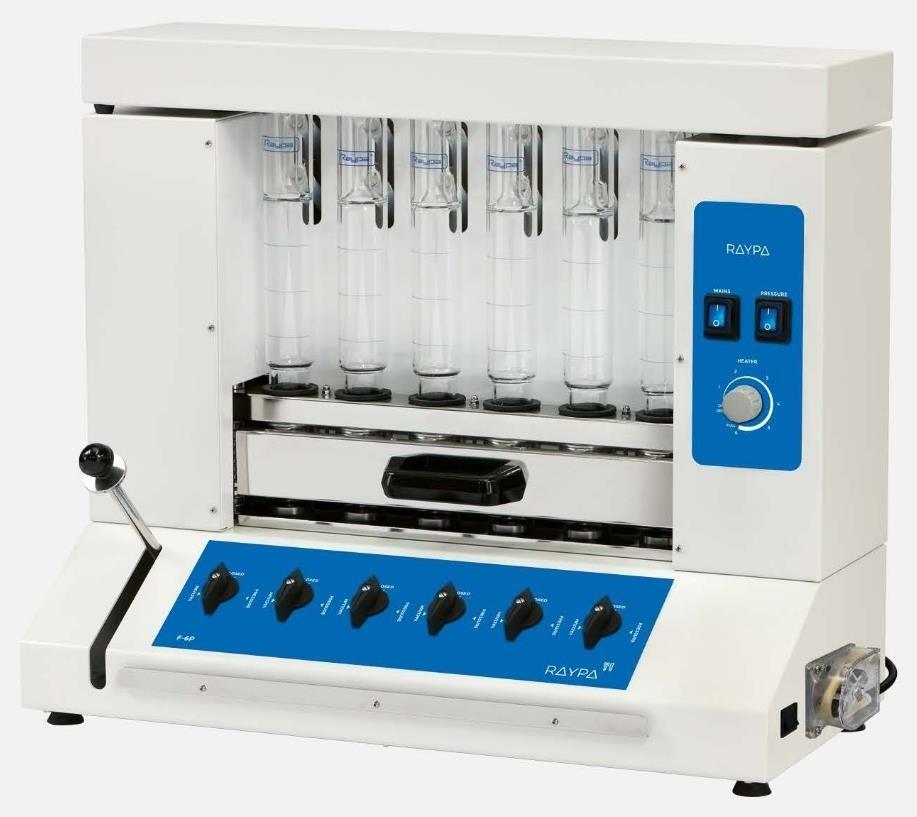
Our fibre extraction system is specially optimized for the determination of Crude, Acid
and Neutral fibre together with other fractions such as cellulose, hemicellulose
and lignin according to the universally known Weende and Van Soest methods.
Its flexibility to analyze a wide range of samples with subsequent or individual extraction, including boiling and filtration steps, makes our hot fibre extractor suitable for multiple settings and applications.
F-6P is designed to guarantee accurate and precise results in compliance with the international standardized methods such as AOAC, AACC and ISO
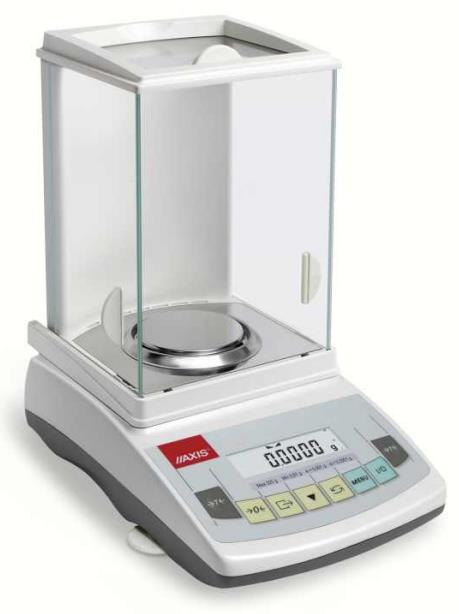
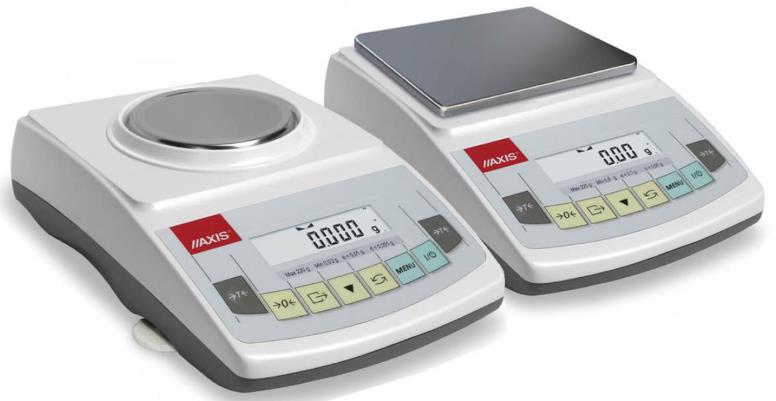
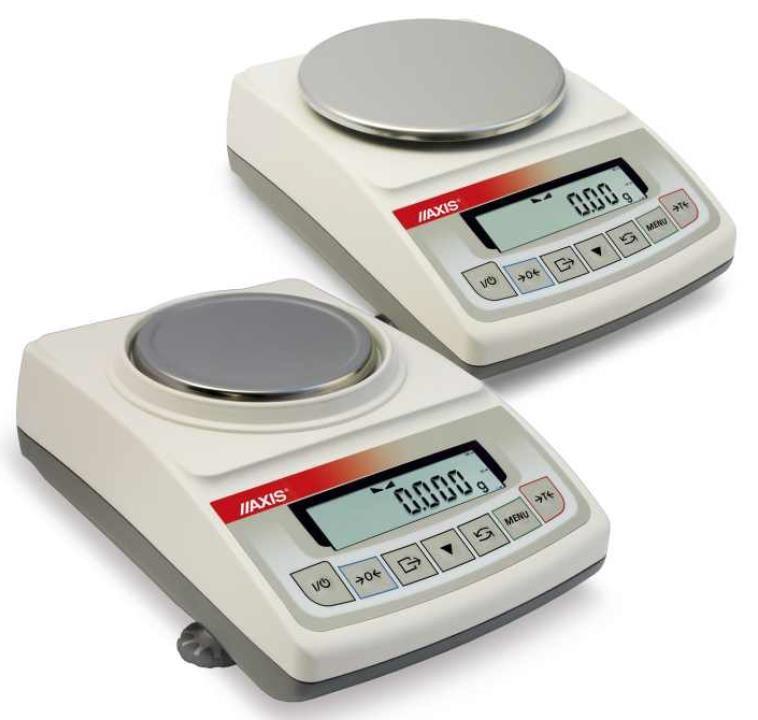
High weighing accuracy
Compact dimensions
Very good indication readability
Automatic internal calibration
RS232C interface for printer, computer or barcode reader
Powerful vacuum engine stores cereals in 2-6 seconds into the sample container based in the laboratory
Flexible move up and down right and left using a hydraulic system
Thanks to the replaceable cylindrical sieve inside the device, the sample is sifted and classified. It accumulates in its scaled compartments. Operations can be controlled thanks to the LCD touch screen, sieve rotation speed, feeding cover opening, blowing speed, working time can be adjusted and language selection can be made.
Wheat, barley, corn, rye, oats etc. In products, light foreign materials such as broken grains, dust, feathers, good grains and large foreign materials are easily separated and classified.
Bastak brand, 7000 model. It is used to measure the density of grains. Device; It is used to measure hectoliters in wheat, rice, corn, lentils and similar grains. The purpose of the hectoliter test in wheat is to predict the flour yield. When the hectoliter of wheat increases, the flour yield also increases. Hectoliter value: it varies according to the shape, density, size and uniformity of the grain.